Understanding Childhood Trauma in Early Education: What Every Teacher Needs to Know

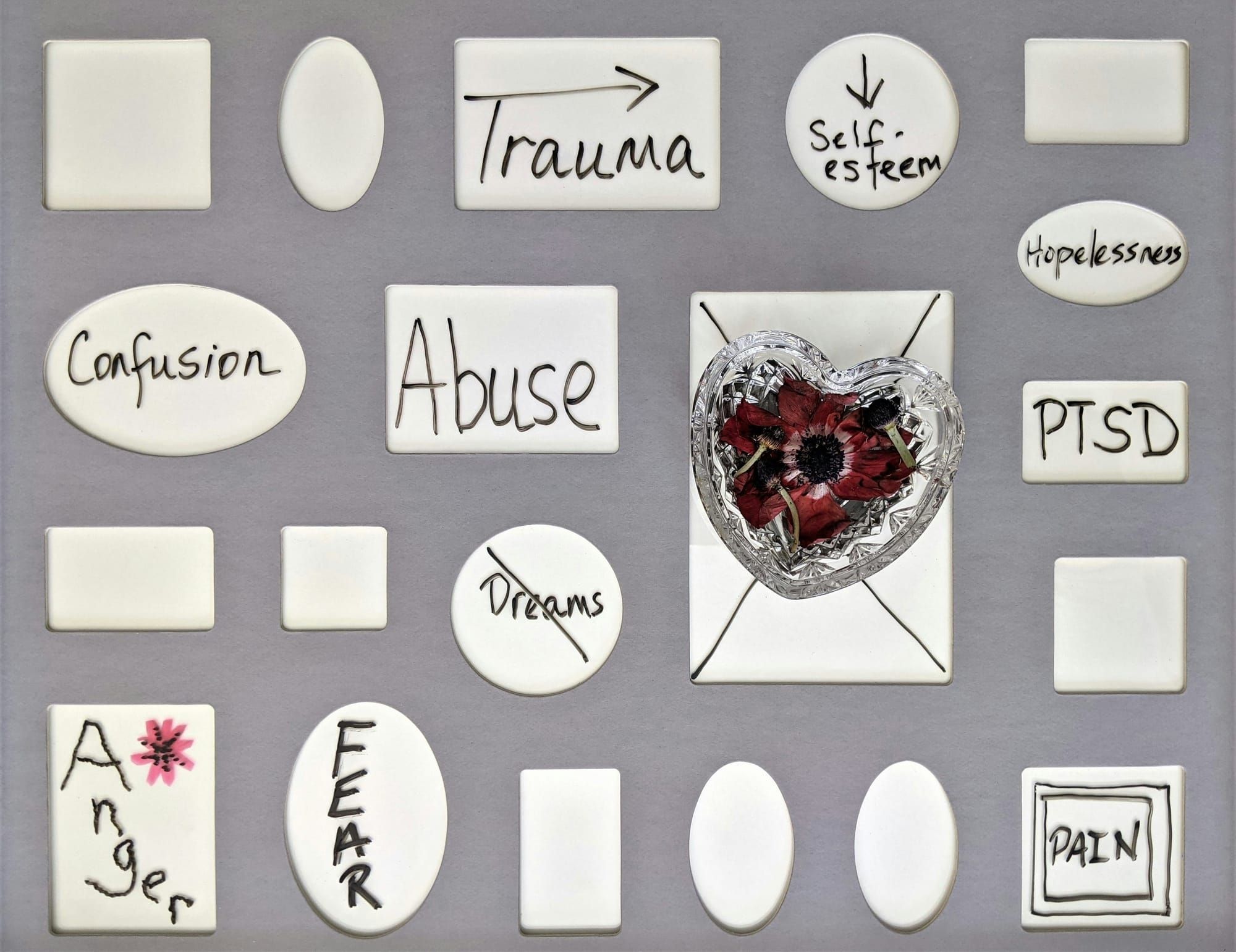
Did you know that at least half of all children, ages birth to eight years, in the United States have been exposed to one type of trauma?
Did you know that young children exposed to five or more significant adverse experiences in the first three years of childhood face a 76% likelihood of having one or more delays in their language, emotional or brain development? National Institute of Health
In today's classrooms, this means there is likely a trauma impacted child in every classroom. And, in many cases, this also leads to secondary trauma for teachers.
What Is Childhood Trauma?
Trauma is multi-faceted. Trauma is personal. It is deep. It is life-changing. Trauma can be direct or indirect, acute or chronic. According to the National Child Stress Network, childhood trauma is the exposure to or experience of an event that is emotionally, physically, and mentally distressing which negatively impacts a child’s daily life and impedes a child’s ability to cope.
For young children, trauma can disrupt:
- Social-emotional development
- Cognitive growth
- Behavioral regulation
- Academic performance
Common Sources of Childhood Trauma (ACEs)
Early childhood trauma is often discussed in terms of Adverse Childhood Experiences (ACEs). ACEs can include but are definitely not limited to:
- Poverty and food insecurity
- Housing instability
- Divorce or family disruption
- Abuse (emotional, physical, verbal)
- Neglect
- Domestic violence
- Incarcerated family members
- Substance abuse in the home
- Mental health challenges
- Lack of social or medical support
These experiences can be ongoing or occur only once.
And that matters.
It only takes ONE occurrence for there to be long-lasting negative effects on a child’s development.
How Trauma Affects the Developing Brain
So much of the disruptive, inattentive behavior that we see may be due to trauma.
Trauma physically impacts brain development.
Chronic stess disrupts the limbic system, often leaving children in a constant state of:
- Fight
- Flight
- Freeze
- Submit
This state of heightened stress makes emotional regulation extremely difficult.
In addition, trauma can reduce gray matter in the cerebral cortex, which affects:
- Executive functioning
- Decision-making
- Attention
- Learning capacity
In simple terms:
children impacted by trauma are not choosing to misbehave... they are responding from a brain that is under stress.
Rethinking Behavior in the Classroom
As educators, this understanding shifts everything.
What may appear as:
- Defiance
- Inattention
- Disruption
May actually be:
- Dysregulation
- Survival responses
- Neurological overwhelm
A child in this state cannot easily pause, reflect, and respond appropriately.
This is not willful behavior.
This is a child who is stuck.
A Shift in Perspective: From Behavior to Understanding
This is where our role becomes critical.
A child is not “bad.”
A child is in need of support, safety, and understanding.
When we begin with understanding:
- We reduce judgment
- We build connection
- We create space for healing
The Work of the Educator
The task before us is both simple and profound:
Seek to understand first.
Only then can we begin the patient, intentional process of helping children regulate, learn, and heal.