The Rhythm Begins With Us
The beginning of a school year asks a lot of both children and teachers. Finding a steady rhythm, building predictability, and slowing down enough to see each child can make all the difference.

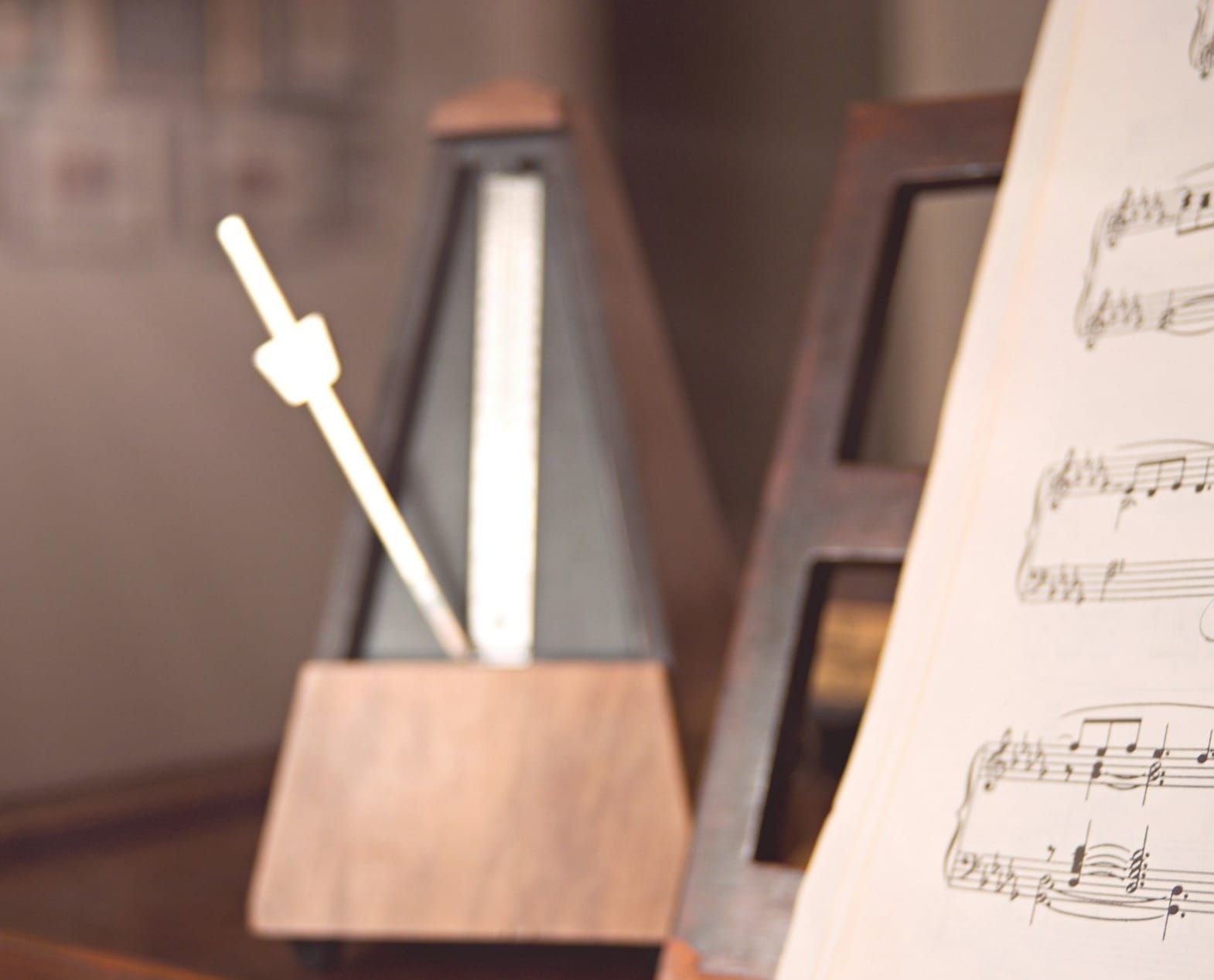
The first month of school is an adjustment.
Teachers know it. Children know it. Families feel it, too.
After a slower summer, everyone is finding a new rhythm. Earlier mornings. Longer days. New routines. New expectations. New responsibilities.
Teachers are learning a new group of children while children are learning new teachers, classmates, routines, and expectations. And when the school day ends, many teachers go home to families who are also adjusting to a new school-year rhythm.
It is a lot.
No wonder we're tired.
And for young children, it is a lot for their developing bodies, brains, and emotions. We sometimes expect children to arrive ready to sit, listen, focus, transition, manage emotions, make friends, follow directions, and learn... all while adjusting to a completely new rhythm of life.
But stamina is something we build.
Children need time, repetition, movement, connection, and support as they develop the physical, mental, and emotional stamina that school requires. Teachers need those things, too.
Perhaps that is why the first month of school is such an important reminder that the rhythm begins with us.
Slow Down Enough to See the Child
One of the most important things I have learned over more than 30 years in the classroom is to slow down during the first weeks of school.
Before I try to change a behavior, I want to understand the child behind it.
Who is this child? What makes them curious? What brings them joy? What overwhelms them? What helps them settle? What are they trying to communicate?
I have always considered myself an intuitive teacher. I'm not sure intuition itself can be taught, but I do believe we can teach the practice behind it: slow down, watch, listen, notice, and get curious.
When we observe instead of immediately reacting, we begin to see individual children rather than simply their behaviors. One child may be eager to participate while another watches quietly. One may need movement while another needs more time to process. One may confidently ask for help while another quietly shuts down.
Our job is not to make every child fit the same mold. It is to learn who they are and help them grow from where they are.
Predictability Creates Safety
In these first weeks, I have also been reminded how quickly children respond to predictable routines.
Our morning Heart Circle, academic routines, mid-day Pause, and end-of-day Heart Circle are already becoming familiar parts of our day. The children are learning what comes next, how the day begins, and how we come together again before going home.
These routines may seem ordinary to us. For children, they can provide something much more important: a sense of safety and security.
When children know what to expect, they can spend less energy wondering what will happen next and more energy participating in what is happening now. Predictability helps establish trust. Over time, familiar routines become part of the rhythm of the classroom.
That doesn't mean every day has to go exactly as planned. Schedules change. Unexpected things happen. Sometimes, we just have to go with the flow.
The goal isn't rigidity. It is creating a dependable rhythm that gives children something to return to when the unexpected occurs.
We Are Part of the Rhythm
The rhythm of a classroom isn't created by the schedule alone. It is influenced by the people in the room, especially the adults.
Children notice our voices, our pace, our patience, our breathing, and our responses when something goes wrong. They notice whether we rush or pause, whether we listen or interrupt, whether we respond with calm or react from frustration.
They are learning from us even when we aren't intentionally teaching.
That doesn't mean teachers have to be perfectly regulated. We aren't. The first weeks of school can test every bit of patience and stamina we have. I know they have tested mine.
Recently, interruptions to our developing routines left me feeling more stressed and hurried than I wanted to be. It reminded me that I am adjusting to the rhythm of a new school year, too.
If I expect children to pause, breathe, adjust, and begin again, I need to be willing to do the same.
Sometimes that means taking one breath before responding. Lowering my voice instead of raising it. Recognizing that a child needs movement rather than correction. Or simply asking myself, What am I missing?
These small moments shape the emotional climate of a classroom.
The Rhythm Begins With Us
Perhaps that is what I mean when I say the rhythm begins with us.
It doesn't mean we control the classroom. It means we contribute to its rhythm.
We establish routines. We create opportunities for connection. We model how to pause and begin again. We notice when a child needs something different. We repair when we don't respond the way we hoped. And we give ourselves permission to keep learning, too.
The beginning of a school year isn't about getting everything right.
It is about beginning to know the children entrusted to us. Building trust. Creating a classroom where children can gradually develop the stamina, confidence, independence, and sense of belonging they need to learn.
Most importantly, it is about remembering that every child who walks through our door is a whole person... not a behavior to manage, a problem to solve, or a score to improve.
They deserve our curiosity.
They deserve our patience.
They deserve the opportunity to show us who they are.
Before we teach, we connect.
And sometimes, before we connect, we simply need to slow down enough to see the child in front of us.
Research-Informed Practice
The ideas shared in this article are informed by research in child development, trauma-informed education, developmental neuroscience, co-regulation, and whole-child learning. These perspectives remind us that children's capacity to regulate, attend, and engage develops within responsive relationships and supportive environments.
Selected References
Center on the Developing Child at Harvard University. (n.d.). Three principles to improve outcomes for children and families.
Perry, B. D., & Winfrey, O. (2021). What Happened to You? Conversations on Trauma, Resilience, and Healing. Flatiron Books.
Shonkoff, J. P., Garner, A. S., & Committee on Psychosocial Aspects of Child and Family Health. (2012). The lifelong effects of early childhood adversity and toxic stress. Pediatrics, 129(1), e232–e246.
Souers, K., & Hall, P. (2016). Fostering resilient learners: Strategies for creating a trauma-sensitive classroom. ASCD.
About the Author
Dr. Pamela J. Cernjul is an early childhood educator with more than 30 years of classroom experience and the author of The P.A.M. Path: A Framework for Calm Classrooms, Resilient Kids, and Sustainable Teaching. Her work bridges research, classroom practice, and education policy to help educators create calm, connected, whole-child learning environments.